About the event
The global strategic landscape is entering a period of profound transformation. The post–Cold War consensus around open markets and global interdependence is giving way to a world of entrenched geopolitical blocs, regulatory divergence, and economic nationalism. States increasingly use economic tools—sanctions, export controls, tariffs, and industrial policy—not only to advance domestic priorities but also as instruments of geopolitical leverage. Interdependence, once a foundation of cooperation, is now often weaponized.
Digital transformation and innovation ecosystems are both shaping and shaped by these dynamics. New technologies emerge and diffuse unevenly across geopolitical lines, while digital infrastructure, platforms, and data governance have become contested domains. Innovation ecosystems—once globally integrated—are fragmenting, raising questions about where breakthroughs emerge, who controls them, and how firms and institutions collaborate under conditions of mistrust. Strategic responses must now integrate geopolitical foresight with technological agility.
Firms must operate across fault lines defined not only by competition but also by divergent political systems, security interests, and institutional logics. Large multinationals with diversified footprints may navigate multiple regimes and influence global standards, while smaller and mid-sized firms face growing uncertainty and tighter constraints. Bridging divides—between markets, institutions, ideologies, and technological infrastructures—has never been more critical. Strategic leaders must rethink how to balance local responsiveness with global coherence and manage ecosystems that span national and technological boundaries.
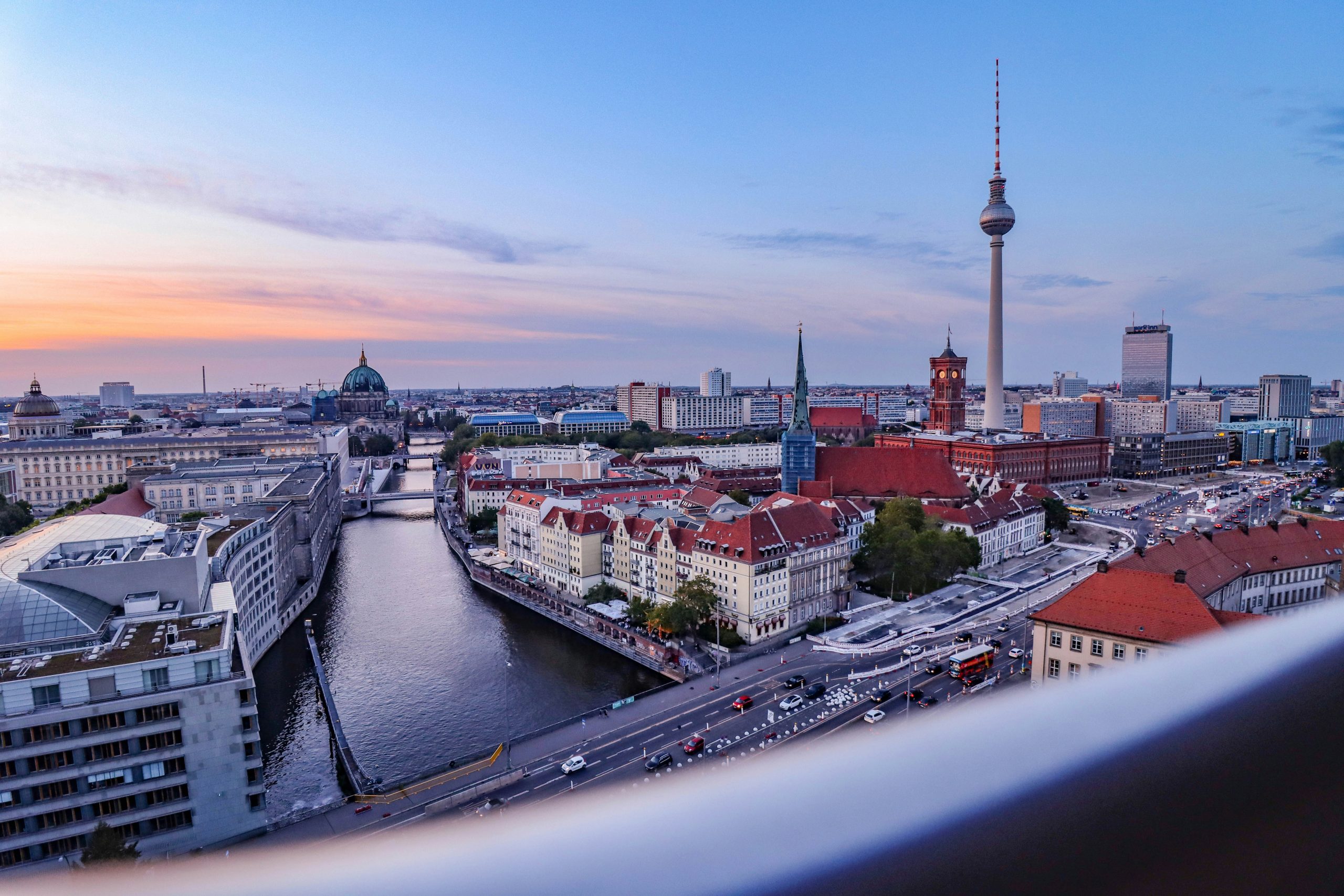
Berlin provides a uniquely resonant setting for these conversations. Once a symbol of global division, the city now embodies reunification, resilience, and regeneration. It hosts a dynamic mix of economic actors—global giants and Mittelstand manufacturers, startups and social enterprises, research institutes, and policy makers—offering both symbolic context and a living laboratory to examine how organizations navigate strategic challenges. The SMS 46th Annual Conference calls for theoretical, empirical, and practitioner contributions that explore how strategic management can help firms—and societies—adapt to and shape this evolving geoeconomic, institutional, and technological landscape.
Submission System Opens
Mid-DECEMBER, 2025
Submission Deadline for Proposals
FEBRUARY 18, 2026
Notification of Acceptance Decisions; Registration Opens
MID-APRIL, 2026
Presenter Registration Deadline
MAY 20, 2026
Conference Program Available Online
July 2026
SMS Annual Conference
October 17 - 20, 2026
Welcome to Berlin
Dear Colleagues,
We are delighted to invite you to the Strategic Management Society’s 46th Annual Conference in Berlin. Our timely theme “Strategy in a Fragmented Geo-economic Landscape: Bridging Divides Across Markets, Institutions, and Technologies,” reflects that globalization can no longer be taken for granted. Firms must now plan for trade disruptions, politicized technologies, and institutional differences that shape everything from capital flows to data regimes. Strategies once focused on competing in integrated markets now also have to cope with fault lines - perhaps turning them into opportunities for connection.
Berlin is a powerful place to reflect on these changes. For much of the twentieth century, the city was literally divided, with separate political, economic, and social systems. Today, it stands as a symbol of how walls can fall, rules can be rewritten, and new forms of collaboration can emerge. The visible layers of its history - border crossings, memorials, repurposed factories - sit alongside startups, social enterprises, and research institutes. This unique mix invites us to think about how organizations navigate fragmentation while building new institutional and technological bridges.
Germany’s position at the heart of the European Union further amplifies our theme. As an export-oriented, innovation-driven economy, Germany faces challenges of reconfiguring supply chains, advancing a green and digital transition, and responding to shifting security and regulatory landscapes. At the same time, it seeks to honor social commitments while grappling with demographic change and migration. In Berlin, discussions on industrial policy, AI, sustainability, and social cohesion unfold daily in ministries, boardrooms, and civil society. This context will help us think about strategy from different perspectives - of individual firms, but also those of employees and broader society.
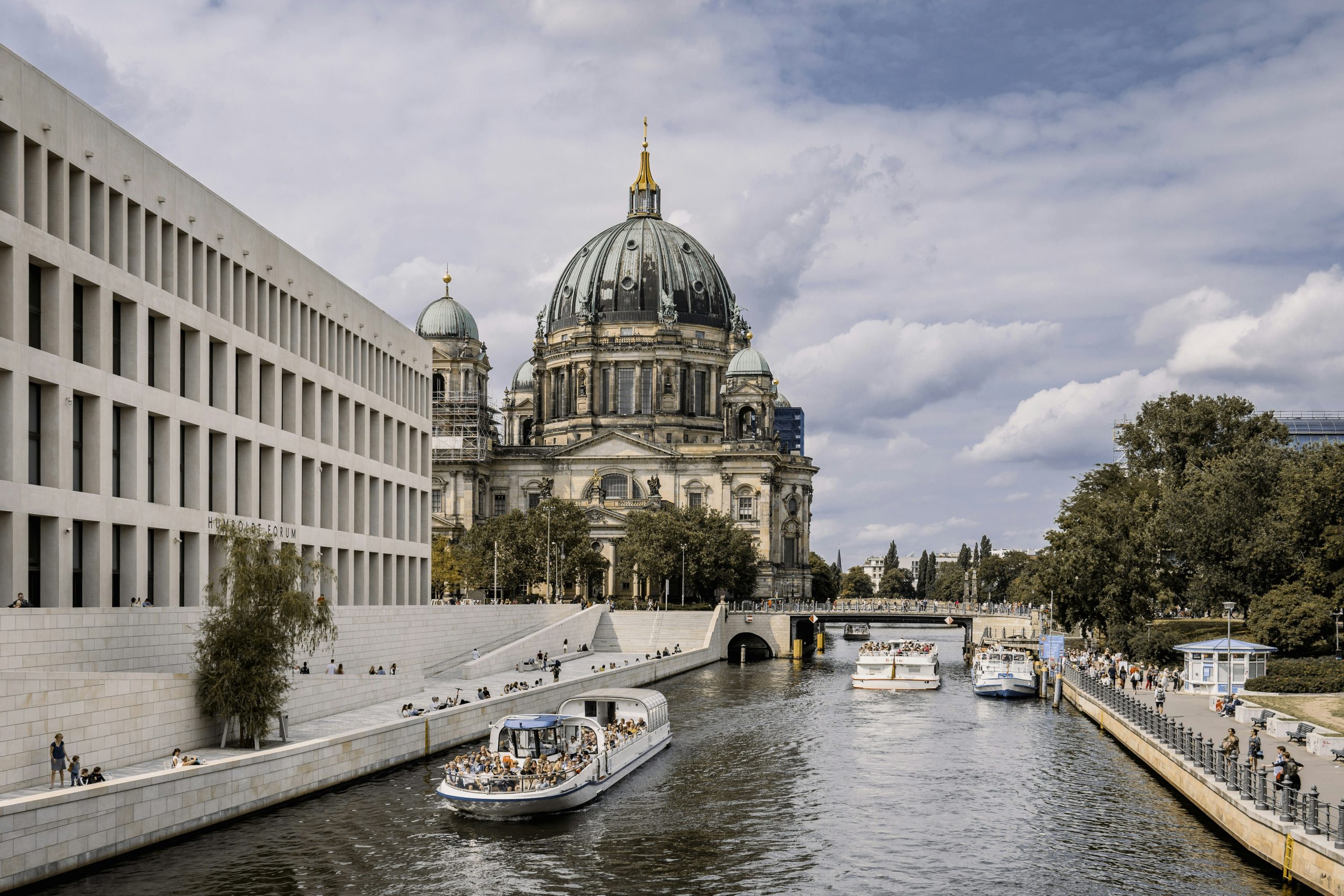
We also hope you will experience Berlin’s unique energy beyond the conference rooms. As an education hub, the city brings together universities, business schools, and research organizations that anchor a dense knowledge ecosystem and connect academic ideas to business practice and policy. As an arts and nightlife capital, Berlin offers the UNESCO-listed Museum Island alongside street art, theaters, and legendary clubs. As a food city, it spans traditional German dishes, diverse international cuisines, and the iconic Berlin-style döner kebab. And as a green metropolis, its parks, lakes, and canals make it easy to step into nature, whether for a morning run or a quiet walk after a long day of sessions.
We warmly invite you to join us in Berlin in 2026 to explore how Strategic Management can help organizations and societies confront fragmentation while building new forms of connections across markets, institutions, and technologies.
Herzlich willkommen in Berlin!



Registration Information
- Student Members: $1259 USD
- Regular & Emeritus Members: $1,359 USD
- Non-Members: $1579 USD
We encourage the participation of scholars from all around the world! Visa letter information can be found in the FAQs(opens in new tab).
NOTICE: As of October 13, this event has reached capacity. As cancellations are received, additional spots may become available. Click below to check availability.
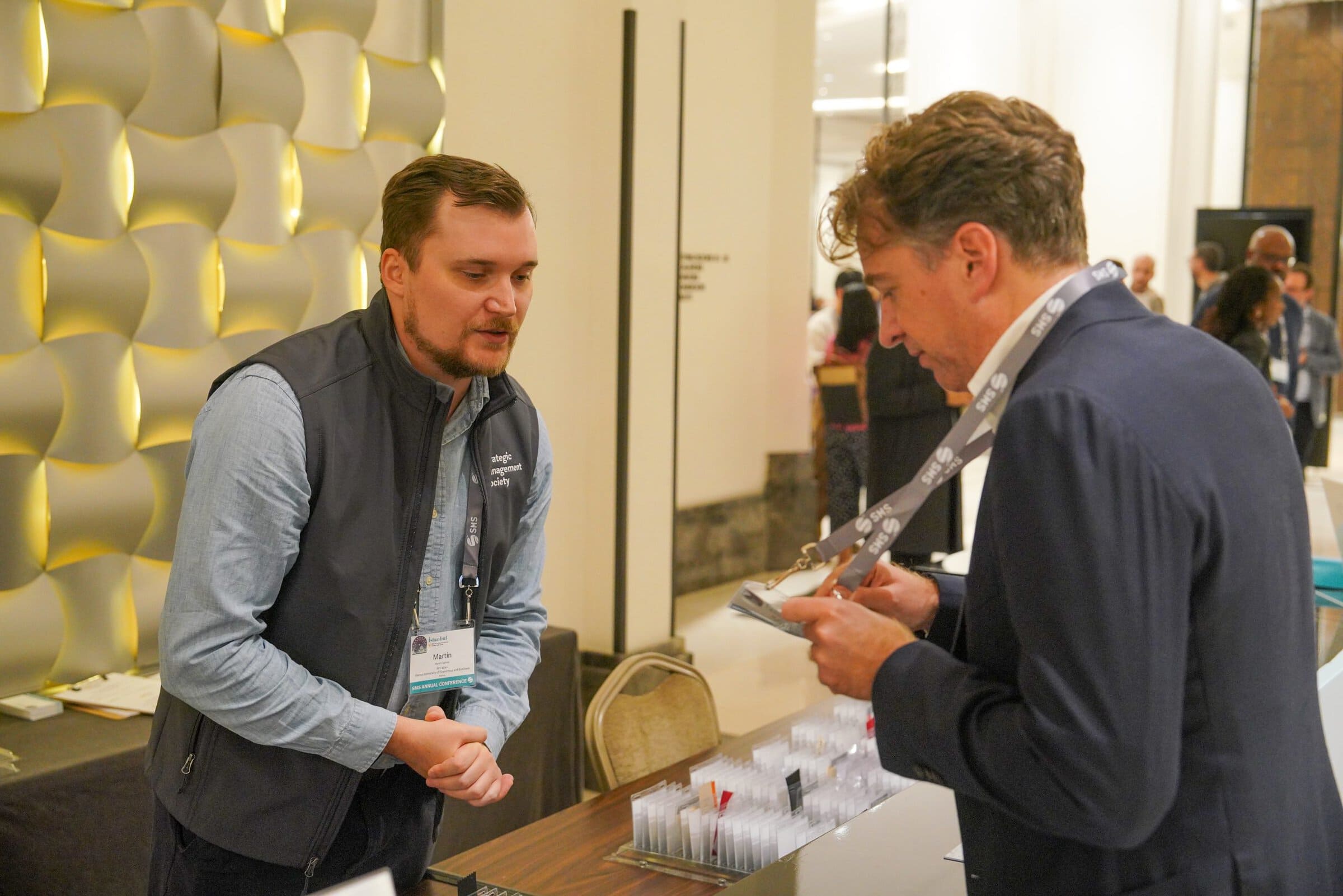
Before registering, please review our registration policies. We also encourage you to learn more about the new registration refund program, offered through SMS partner Rainprotection Insurance, which provides added flexibility and peace of mind.
AGENDA
SRF Workshop
8:00am – 4:00pm
Doctoral Workshop
8:00am – 4:00pm
IG&C Workshops – Half Day Morning
9:00am – 12:00pm
Conference Lunch
12:00pm-1:00pm
IG&C Workshops – Half Day Afternoon
1:00pm – 4:00pm
Meet the SMS Editors / Conversations with the Fellows
4:30pm – 5:30pm
SMS Business Meeting
5:45pm – 6:45pm
SMS Awards Recognition + Welcome Reception
7:00pm – 9:00pm
Looking for the Full Conference Program?
The full conference program is available exclusively through the conference app for all registered attendees. Click below for step-by-step instructions on downloading, accessing, and using the app.
The program PDF provides a helpful overview of the sessions, but the app always reflects the most up-to-date schedule and session details. Please note that session room names are not included in the program PDF.
Hotel & Travel
Conference Venue:
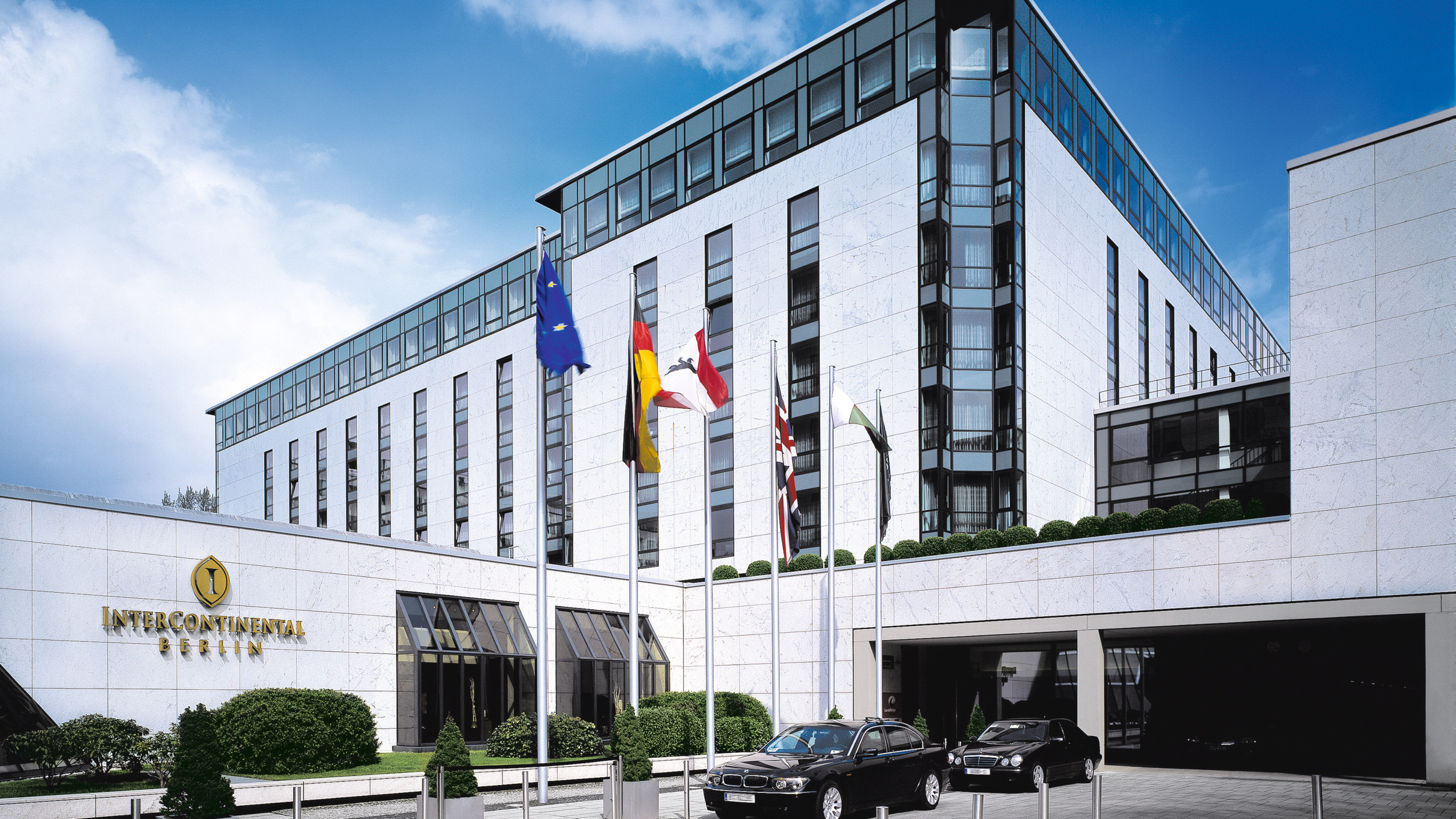
lnterContinental Hotel Berlin
Budapester Str. 2, 10787 Berlin, Germany
Stay at the InterContinental Berlin
Make the most of your conference experience by staying where all the conference sessions and activities will take place!
The SMS Room Block is nearly sold out. Only the nights of Sunday, October 18 and Monday, October 19 remain available. Click here to book within the SMS Room Block to secure the best rates.
Other dates may still be available at the InterContinental Berlin, subject to standard rates and terms. Click here to book on the hotel website. To connect an SMS Room Block booking with a separate booking at the InterContinental Berlin, please make note of the SMS booking in the “Special Requests” field, along with your confirmation number.
SMS Room Block guest room prices are per room, per night and include the applicable VAT and services fees, wifi, and extensive breakfast buffet in the L.A Cafe. Bookings within the SMS Room Block can be cancelled free of charge until 14 days prior arrival, after which a cancellation fee of 90% applies.
Find a Hotel Nearby
Looking to stay elsewhere? Use the official SMS hotel search portal, provided by SMS partner aRes Travel, to find and book hotels suitable for a variety of budgets, sorted by proximity to the conference hotel.
Interested in flight discounts? SMS has partnered with United Airlines to offer exclusive airfare discounts for attendees traveling to Berlin. Click here to learn more about flights.
EXTENSIONS
Extensions are one-day topical workshops held in a city close to the Annual Conference location that take place in the days leading up to or following the conference. Extensions offer an in-depth exploration of a topic related to the Annual Conference theme. Extension registration is separate from conference registration and will be available through October 1, 2026. Conference registration is not required for participation in an Extension.
Strategic Leadership in a Fragmented World: At the Crossroads of Political Fragmentation, AI, and Sustainability
Corporate Purpose at Crossroads: Strategic Choices for Business in a Fragmented World
Navigating Changing and Uncertain Markets through Mergers and Acquisitions
The Future of Strategic Impact: How the Role of the Chief Strategy Officer is Changing
Deep-Tech, Startups, and the Rebirth of Industrial Strategy
Opportunity Structures in a Fragmented Geo-Economic Landscape: Reimagining Social Mobility In and Around Organizations
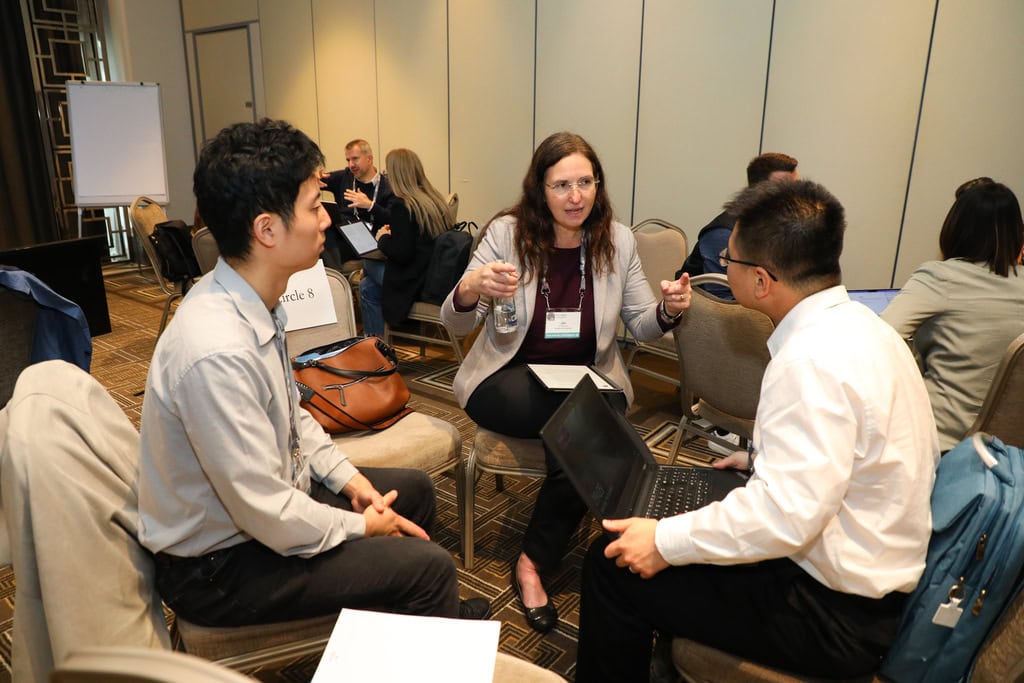
Enhance your conference experience with exclusive networking opportunities at the SMS Annual Conference in Berlin! From intimate, hosted networking lunches to vibrant evening receptions, each event is designed to foster meaningful connections with fellow scholars and industry leaders. Whether you’re new to SMS, a PhD student, or looking to engage with top strategic management experts, there’s a tailored event for you. Enjoy discussions on key topics, share insights, and build lasting relationships in a dynamic setting. Don’t miss out—make the most of your conference experience!
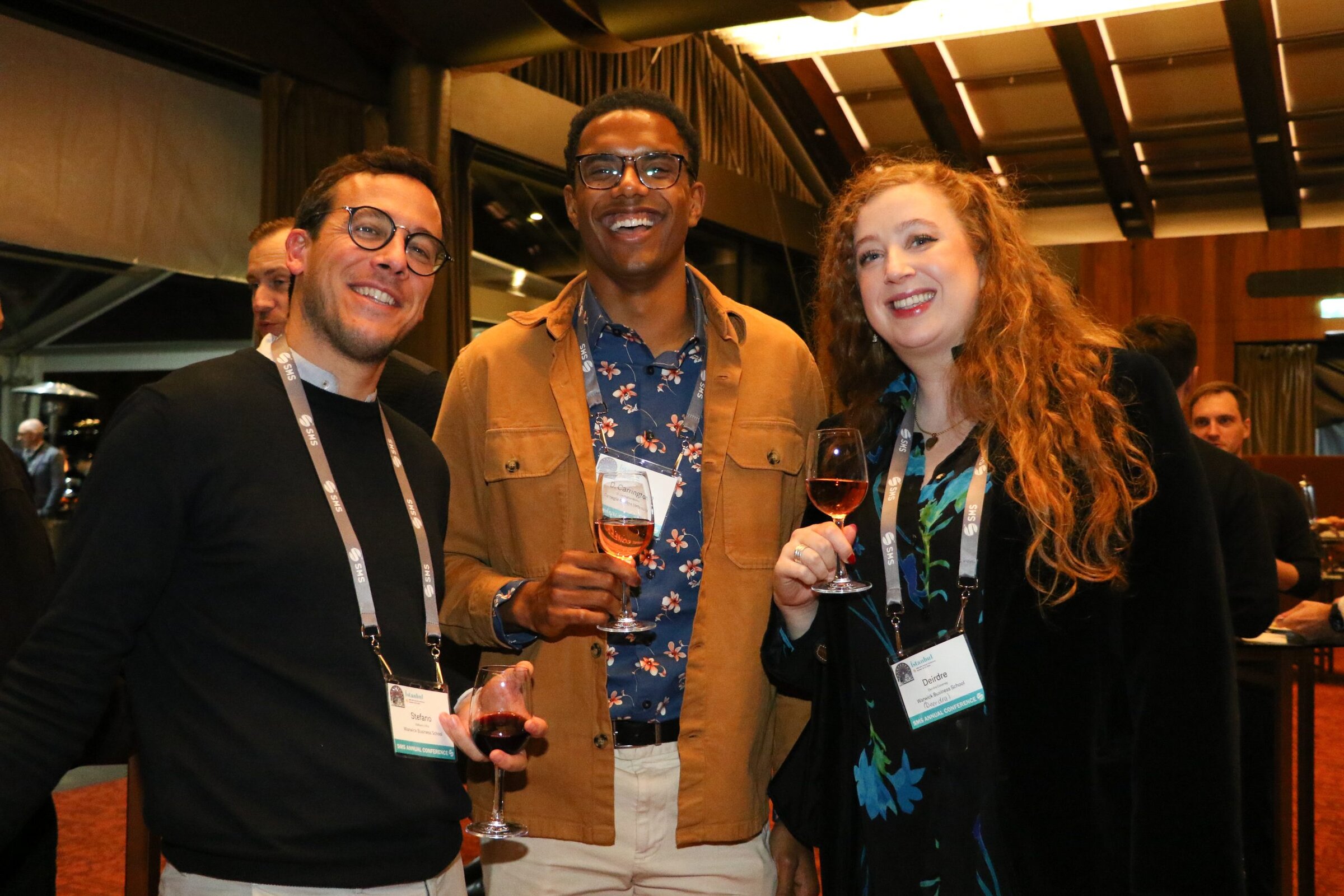
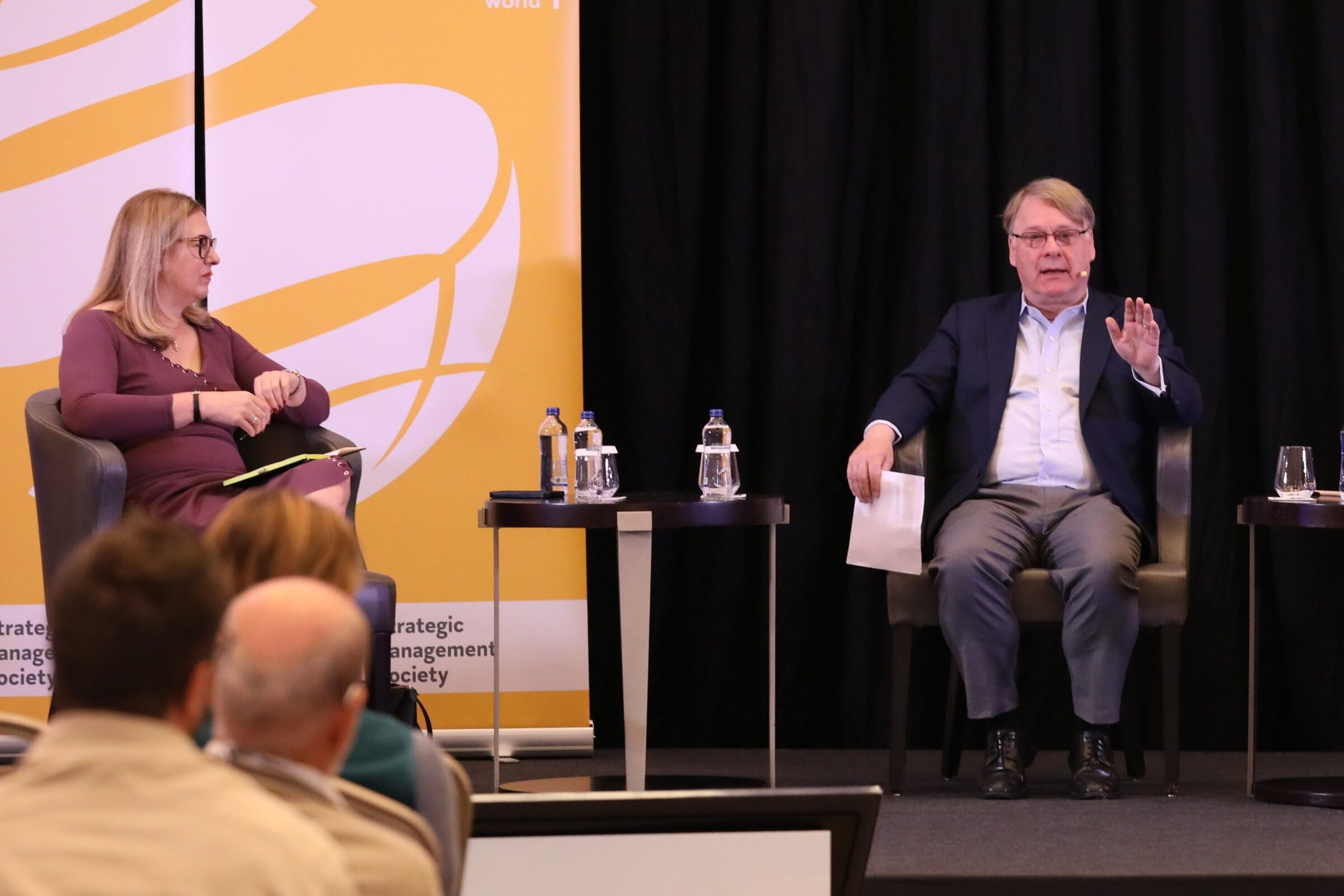
Plenary sessions at the SMS Annual Conference bring all attendees together for inspiring keynotes, panels, and fireside chats with top scholars and industry leaders. These main-stage events explore timely topics that connect research with real-world strategic impact. Click below for session details.
Conference Workshops
A variety of half-day Professional Development and Paper Development Workshops will be offered on the Saturday of the Annual Conference.
These workshops are included with Annual Conference registration, though some require a competitive application process. Workshop applications close September 2. Click below to explore details.
Conference program chairs
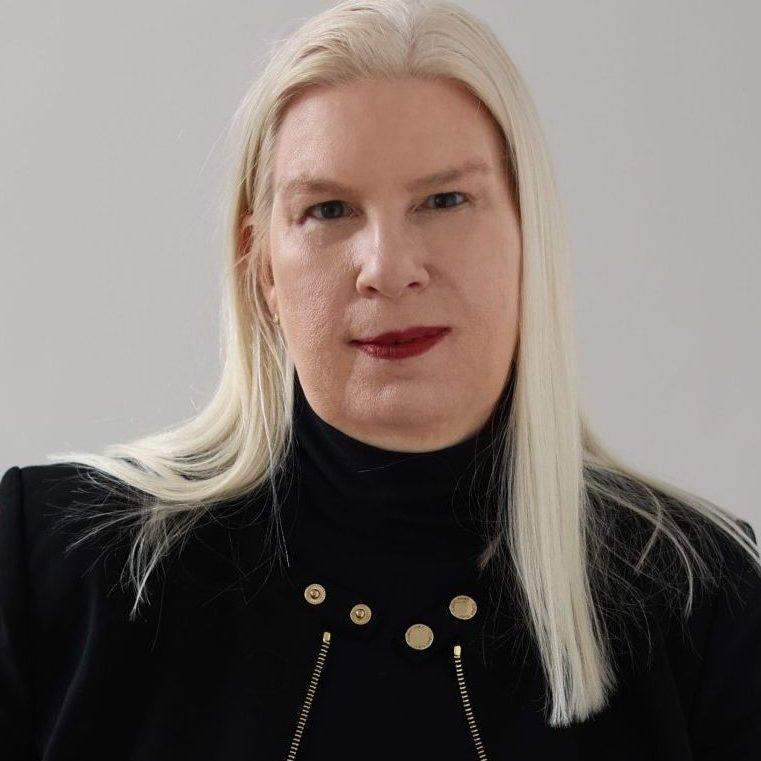
Sabine Baumann
HWR Berlin
Sabine Baumann is Vice President for International Affairs, Research and Transfer and Professor of Digital Business at the Berlin School of Economics and Law. She also serves as Scientific Director at the OFFIS Institute for Information Technology. Prior to her academic career, she held senior management roles at Bertelsmann, Germany’s largest media conglomerate, where she served as Director of the Content Management Competence Center.
She is the Founding Editor in Chief of the IEEE TEMS Leadership BRIEFS and has edited multiple scholarly volumes, including the Handbook on Digital Business Ecosystems and the Handbook on Digital Platforms and Business Ecosystems in Manufacturing (Edward Elgar). Her editorial experience also includes a special issue on Strategic Media Management for the Journal of Media Business Studies and the volume Teaching Strategic Management: A Hands-on Guide to Teaching Success.
Her research focuses on digital transformation, business model innovation, and the strategic dynamics of digital platforms and business ecosystems. Her work appears in leading outlets such as the Journal of Media Business Studies, the International Journal on Media Management, IEEE Xplore, and the Journal of Business Economics.
She has been recognized with the Barry Sherman Teaching Award of the AEJMC Media Management, Economics and Entrepreneurship Division. Within the Strategic Management Society, she has served as Chair, Program Chair, Associate Program Chair, and Representative-at-Large of the SMS Teaching Community, where she initiated the “Turning Teaching Failure into Teaching Success” panel series.
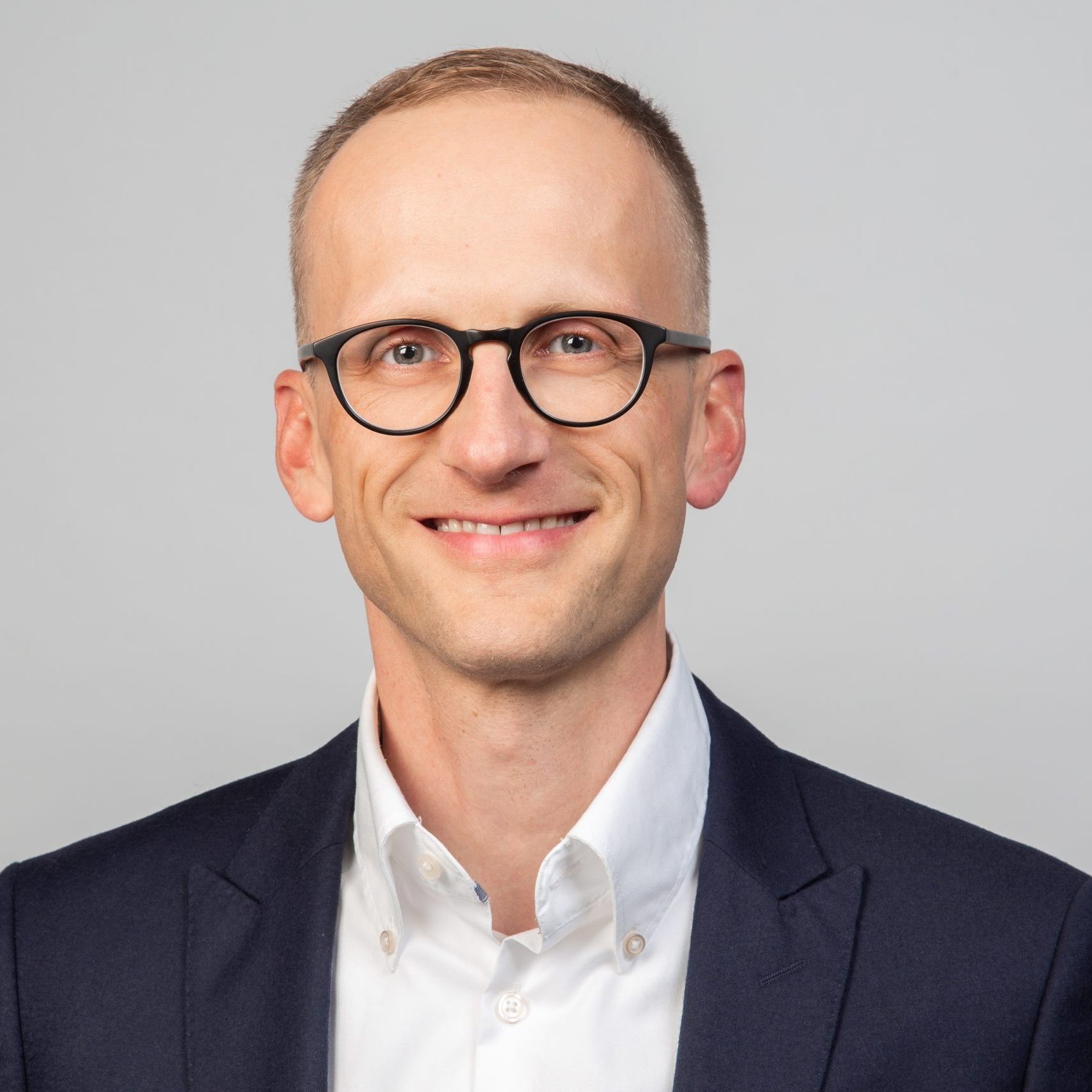
Henry Sauermann
ESMT Berlin
Henry is a Professor of Strategy and the TEAM GLOBAL Chair for Disruptive Innovation at the European School of Management and Technology in Berlin. Prior to joining ESMT in 2017, he was on the faculty at the Scheller College of Business at Georgia Tech, and received his PhD from Duke’s Fuqua School of Business.
Henry explores the role of human capital in innovation and entrepreneurship. He is curious about professional scientists working in academia, in established firms, or as startup “joiners”, as well as about non-professional participants in large-scale crowd science projects such as Galaxy Zoo and Foldit. In his most recent work, Henry explores how AI can be used to automate, augment, and manage human scientists.
Henry was appointed as a Research Associate at the U.S. National Bureau of Economic Research (NBER). He has published in a wide range of journals such as Management Science, Organization Science, Research Policy, and PNAS, and he received the 2025 Best Paper Prize from the Strategic Entrepreneurship Journal. Henry looks forward to welcoming the SMS community in Berlin!
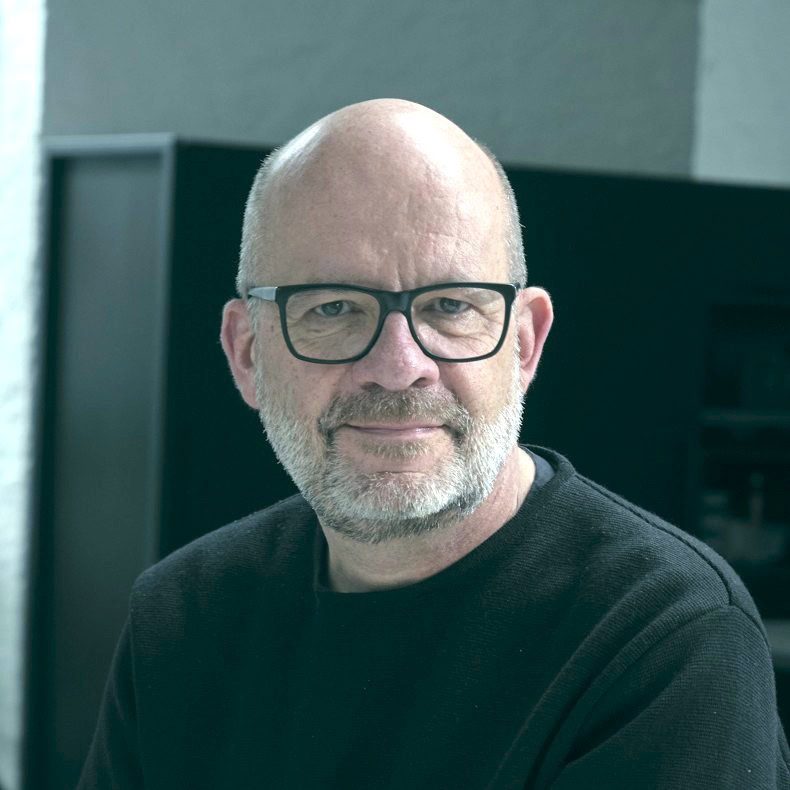
Rafael Laguna de la Vera
Director, Federal Agency for Breakthrough Innovation SPRIND
In July 2019, tech pioneer, founder and innovator Rafael Laguna has been appointed director of the Federal Agency for Disruptive Innovation SPRIND. With more than 40 year’s experience, Rafael Laguna has a proven track record of success in building and growing software companies. The Agency aims to foster innovations with radically new technologies and a great potential to change the market with new products, services and value chains. The Federal Republic of Germany, represented by the BMFTR (Federal Ministry of Research, Technology and Space) is the sole shareholder of SPRIND. In 2025, the Agency operates with an annual budget of 250 million Euros.
call for proposals
The global strategic landscape is entering a period of profound transformation. The post–Cold War consensus around open markets and global interdependence is fracturing into a world of entrenched geopolitical blocs, regulatory divergence, and economic nationalism. States increasingly turn to economic tools—sanctions, export controls, tariffs, and industrial policy— not only to promote domestic interests but also as instruments of geopolitical leverage. Interdependence, once a foundation of cooperation, is now often weaponized.
Digital transformation and innovation ecosystems both shape and are shaped by these dynamics. New technologies emerge and are diffused unevenly across geopolitical lines, while digital infrastructure, platforms, and data governance have become contested domains. At the same time, innovation ecosystems—once globally integrated—are fragmenting, raising questions about where breakthroughs emerge, who controls them, and how firms and institutions collaborate under conditions of mistrust. Digital platforms, AI systems, and standards regimes are increasingly entangled with geopolitical agendas. Strategic responses must now integrate geopolitical foresight with technological agility.
This evolving order challenges core assumptions about strategy. Firms must operate across fault lines shaped not only by competition but by divergent political systems, security interests, and institutional logics. The consequences are likely uneven: while large multinationals with diversified footprints can navigate multiple regimes and influence global standards, smaller and mid-sized firms face growing uncertainty and tighter constraints.
Bridging divides—between markets, institutions, and ideologies, but also between technological infrastructures and data regimes—has never been more important. Continued value creation depends on building connective tissue across fragmented systems. Strategic leaders must rethink how to balance responsiveness to local pressures with global coherence, how to foster collaboration despite institutional divergence, and how to manage ecosystems that cross national and technological boundaries.
Berlin offers a uniquely resonant setting for these conversations. Once a symbol of global division, the city now embodies reunification, resilience, and regeneration. It is also home to a vibrant mix of economic actors: global giants and Mittelstand (SME) manufacturers, startups and social enterprises, research institutes and policy makers. Berlin thus provides not only symbolic context but also a living laboratory for examining how firms of all sizes and missions navigate strategic challenges in a complex global order.
Strategy scholars are especially well-positioned to engage with these dynamics. The field’s diverse theoretical traditions and interdisciplinary reach provide powerful tools to explore how organizations respond to geopolitical shifts, institutional fragmentation, digital transformation, and asymmetries of scale and power. We invite contributions that investigate how strategic management can help firms—and societies—understand, adapt to, and shape the evolving geoeconomic, institutional, and technological landscape.
Conference Tracks
Conference Theme Tracks
Interest Group Tracks
Community Tracks
SPONSORS



Sponsorship
Opportunities
More than 1,000 attendees from around the world will participate in sessions with scholars presenting their cutting-edge research, keynote speeches, practitioner panels, and workshops, as well as a variety of networking events. Being a sponsor or exhibitor at the SMS Annual Conference builds visibility for your company or university and connects you with educators and leaders in the field.
Frequently asked questions
Whether you are new to SMS Conferences or have attended many, you’ll find useful information to help you prepare for your conference experience in the FAQ. Be sure to check back, as this content is updated as new information becomes available.