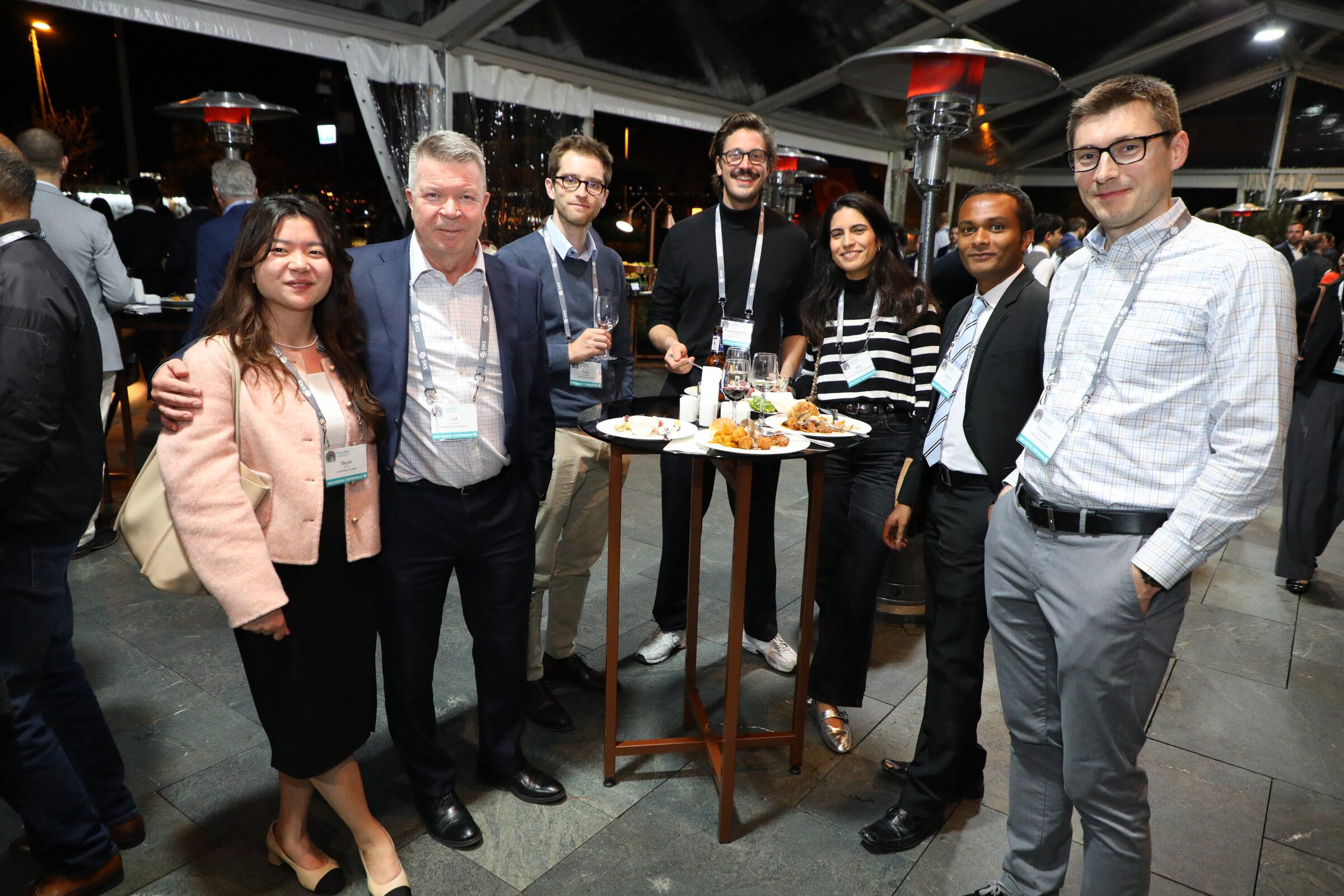
From the Desk of Jonathan Bundy, Arizona State University, and Co-Chair of the Special Conference in Hong Kong
I’m Jonathan Bundy, and I had the privilege of helping organize the recent SMS Special Conference in Hong Kong on Stakeholder Governance.
Over three days, scholars and practitioners explored a deceptively simple question: What does it mean to govern stakeholder relationships as part of strategy?
One theme that stayed with me is that stakeholder governance is about much more than balancing competing claims. Stakeholders participate in the relationships through which value is created. That raises deeper questions:
- How do we sustain those relationships when contracts are incomplete?
- How do trust, purpose, and relational capital affect cooperation?
- And how do different organizational structures strengthen—or weaken—the relationships on which value creation depends?
The conference also reminded us how much remains to be done. We need greater precision about what stakeholder governance means, better ways of comparing alternative governance arrangements, and better ways to understand and measure the value created through stakeholder relationships.
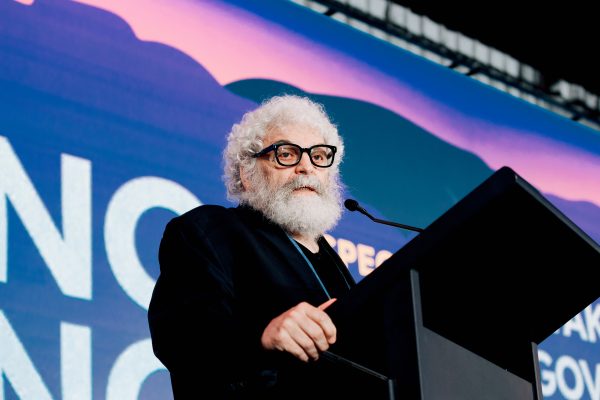 First, stakeholder governance begins with relationships, not simply stakeholder claims. Stakeholders aren’t just groups whose competing interests need to be balanced—they participate in the relationships through which value is created. As Ed Freeman emphasized, thinking about relationships is fundamentally different from thinking about transactions. Stakeholder theory gives us a different narrative—or vocabulary—for understanding business, one built around relationships and interdependence.
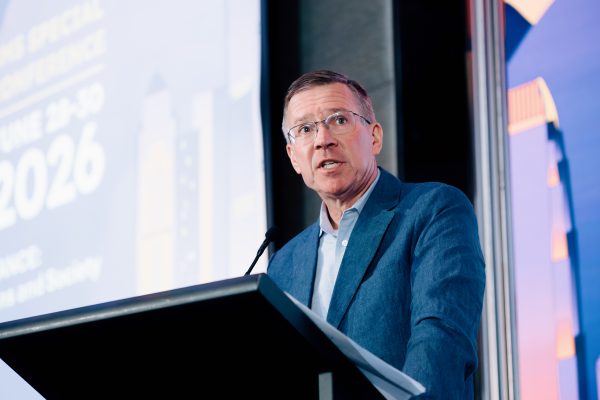 Second, relational capital helps govern what contracts cannot. Witold Henisz connected this idea to Williamson’s concept of probity: the problem of trust when formal contracts and incentives are insufficient. Trust, credible purpose, and relational capital can sustain cooperation, facilitate adaptation, and discipline opportunism. In this sense, relational capital provides a form of governance when contracts are necessarily incomplete.
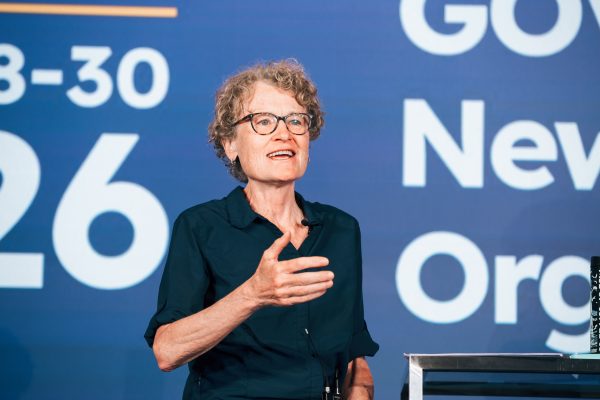 Third, organizations shape and strengthen those relationships. As Anita McGahan memorably put it, organizations can serve as “thickening agents” that enable stakeholder relationships and interdependencies to develop.
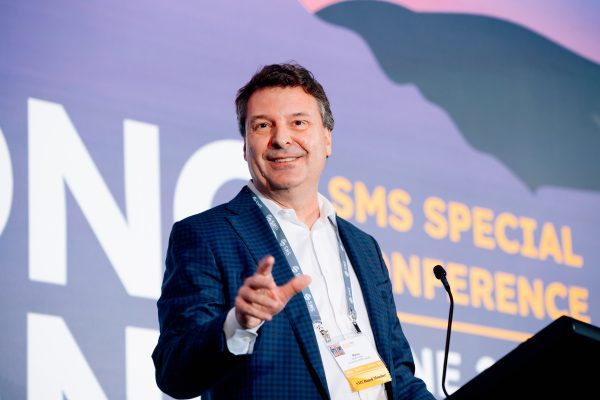 At the same time, the conference left us with plenty of work to do. As SMS President Myles Shaver emphasized in his closing remarks, we need greater precision about what we mean by stakeholder governance, clearer comparisons and counterfactuals, and better ways to measure the phenomena we care about. Freeman offered an interesting complement to that challenge: perhaps some aspects of “total performance” require not only better measures, but better narratives about the value organizations create.
A huge thank you again to my fellow conference organizers Heli Wang, Shuping Li, and Nicolai Foss, our partners at Hong Kong Polytechnic University, the SMS team, and everyone who made the trip to Hong Kong and contributed to such a stimulating three days.
SMS Members can watch the lively keynotes and plenaries on Member Circle (the SMS members-only platform). Login to hear Dr. Kelvin Wong’s Keynote and conversation with Jay Barney, Ed Freeman, Withold Henisz, and Anita McGahan’s Keynotes, and Plenary Panels and Closing Remarks.
Become an SMS member to view SMS Hong Kong sessions!
As you watch, I invite you to keep a few questions in mind:
- What changes when we think of stakeholders as participants in value creation rather than claimants on value?
- What can relationships accomplish that contracts cannot?
- And what does all of this mean for how we think about strategy?