
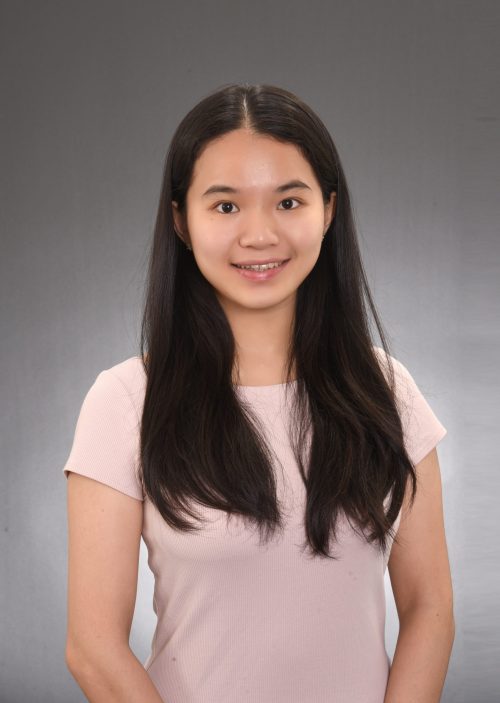
Nety Wu of INSEAD – Singapore was a recipient of the 2025 Will D. Mitchell Dissertation Research Grant program. Learn more about Nety’s work:
What is your research question/topic?
My research examines how artificial intelligence transforms strategic decision-making and organizational learning. Specifically, I study how AI tools influence the way people frame problems, generate options, and navigate complex strategic decisions. A central tension in my work is understanding when AI serves as a cognitive augmentation versus when it may substitute for human thinking, potentially leading to capability atrophy or reduced engagement with strategic problems.
What are you hoping to accomplish through your research?
I want to understand when AI helps people think more strategically, and when it might do the opposite. By studying how people use AI to explore and refine ideas, my goal is to identify how we can design human–AI systems that support deeper strategic reasoning and better organizational learning, rather than just faster iteration. This work seeks to inform both academic theory and real-world strategy practice.
What impact could this research have more broadly on the field of strategic management?
As AI becomes embedded in strategic decision-making, understanding its effects on human cognition and judgment is critical. This research brings behavioral strategy into dialogue with emerging technologies, examining how these tools reshape foundational aspects of search, reasoning, and learning. It challenges us to rethink what it means to strategize when thinking itself is increasingly mediated by intelligent systems.
What SMS resources (members, workshops, events, etc.) were helpful to you during the application process?
Conference sessions spotlighting cutting-edge work on AI and strategic decision-making have been especially valuable in shaping how I think about my research. Informal conversations with SMS members, along with the SMS Doctoral Workshop, helped me sharpen my research design and situate it within broader conversations in the field.
Who inspires you the most to do this work? (whether that is professionally or personally).
I am most inspired by my advisors, who have modeled what it means to pursue rigorous research while remaining genuinely curious about real-world problems. Their willingness to engage deeply with my ideas while pushing me to think more carefully has shaped my approach to research. I am also inspired by practitioners I have encountered through my research: entrepreneurs and managers grappling with how to integrate AI into their work thoughtfully. Their questions remind me why this research matters beyond academic contribution: people are making consequential decisions about technology adoption with limited guidance, and I hope my work can offer some clarity.