
Human Resources

A 2026 SMJ study of AI-assisted perfume creation shows how experts turn tacit knowledge into AI inputs and back again to make human–AI collaboration work.

New research suggests the organizational response may move in the opposite direction—at least for the predictive AI technologies that spread through firms before the recent generative-AI boom.

Firms often wall off their inventors to protect proprietary knowledge, but stronger trade secret protection appears to free them to bring that knowledge together.

StrategIC MAnagement explorer Do Startups Really Need Co-Founders? It Depends on What the Solo Founder Brings By Travis Howell and Todd A. Hall Entrepreneurship has a deeply embedded rule…

StrategIC Management Explorer Want Employees to Learn Fast Without Killing Exploration? Update the Scoreboard Faster. By Jerker Denrell, Michael Christensen, Thorbjørn Knudsen, and Chengwei Liu Organizations face a familiar…

When workers see only polished outcomes and not the learning curve behind them, they may leave too soon.

In the corporate world, the term “wartime CEO” is often used to describe a leader who can make the cold, calculated decisions necessary to save a company during a crisis. While we often think of these shifts in leadership as a matter of skill or experience, a new groundbreaking study says otherwise.
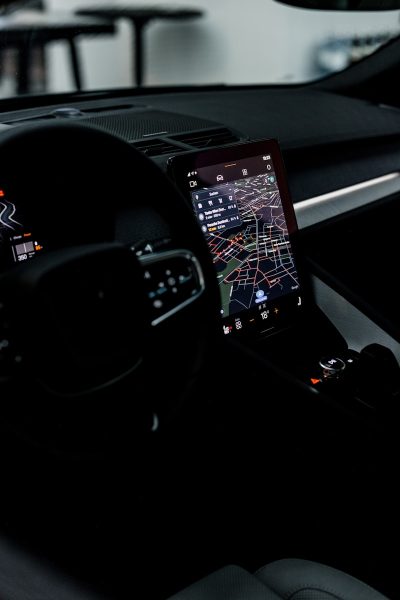
“By making personal transportation jobs accessible to workers with limited geographical knowledge, navigation technology broadens labor supply and, put simply, creates jobs.”

In U.S. states with anti-union labor environments, employees are up to 53% more likely to try working for themselves, a study in Strategic Entrepreneurship Journal has found.

When companies go public with salary information, the average productivity of their employees does not decline. But small shifts in work output are highly individualized, and they may reflect workers’ responses to how closely they feel their efforts align with the pay.